"A painted surface is a real, living form.”
― Kazimir Malevich
There's something so beautiful about beeswax alone. I like to think about all the work that went into making it by the female worker bees, as they collect the pollen from flowers to make honey and turn that honey into beeswax. Then the hive workers construct it into honeycomb to use to raise their young in order to keep the whole cycle going. It's an amazing process, as with any cycle of nature is.
Beeswax is one of the most natural products that is used in a wide variety of products and procedures; from candles, to cosmetics, to foods and candies, to polish, to surgeries, to art supplies, and so much more.
The Egyptians used beeswax to paint Mummy Portraits on boards that were then attached to Egyptian mummies. These portraits were used to cover the faces of the bodies that were mummified for burial.
While we won't be using it to paint burial portraits, we will be using it to paint a lovely portrait that will, like the mummy portraits, be naturally preserved for a very, very long time.
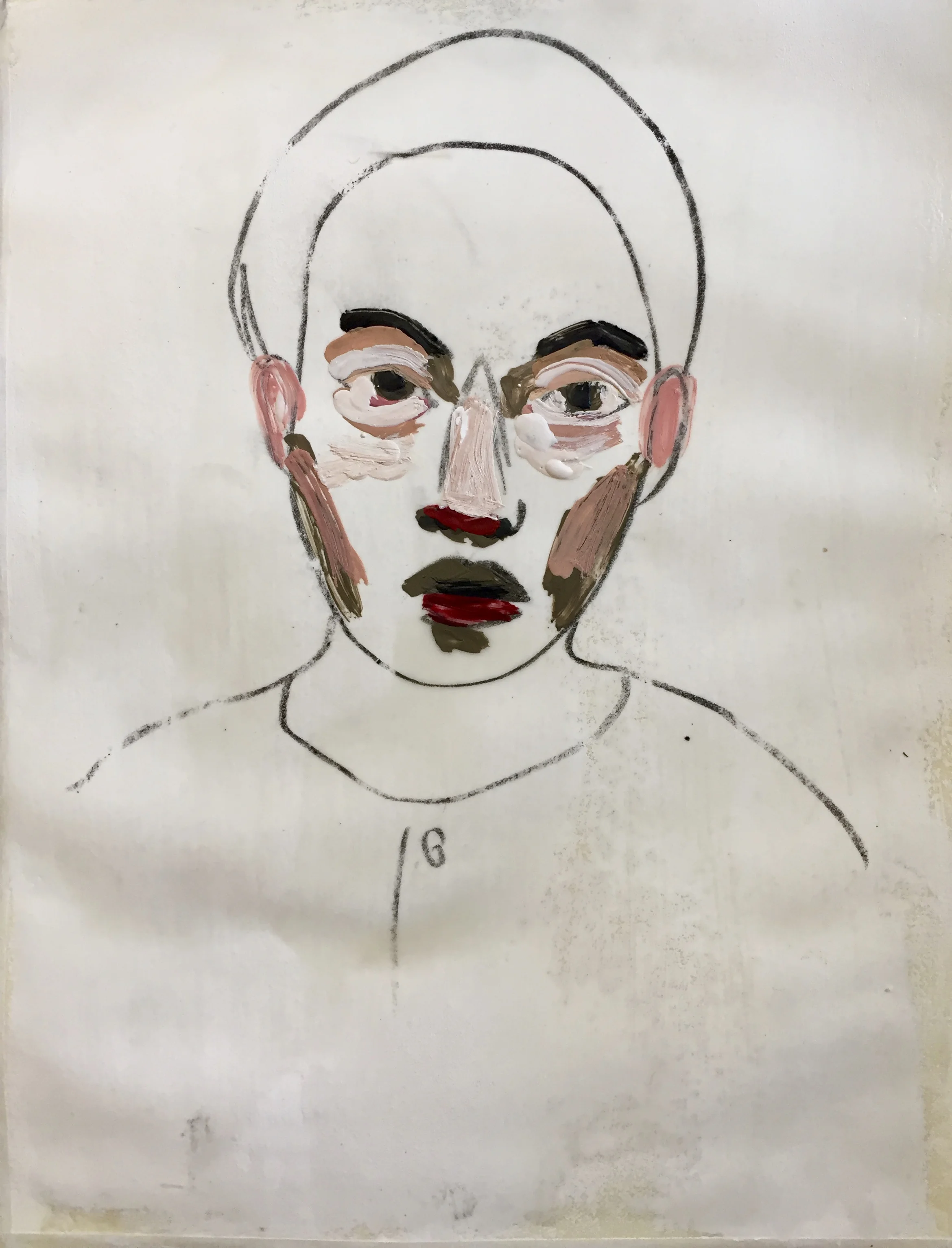
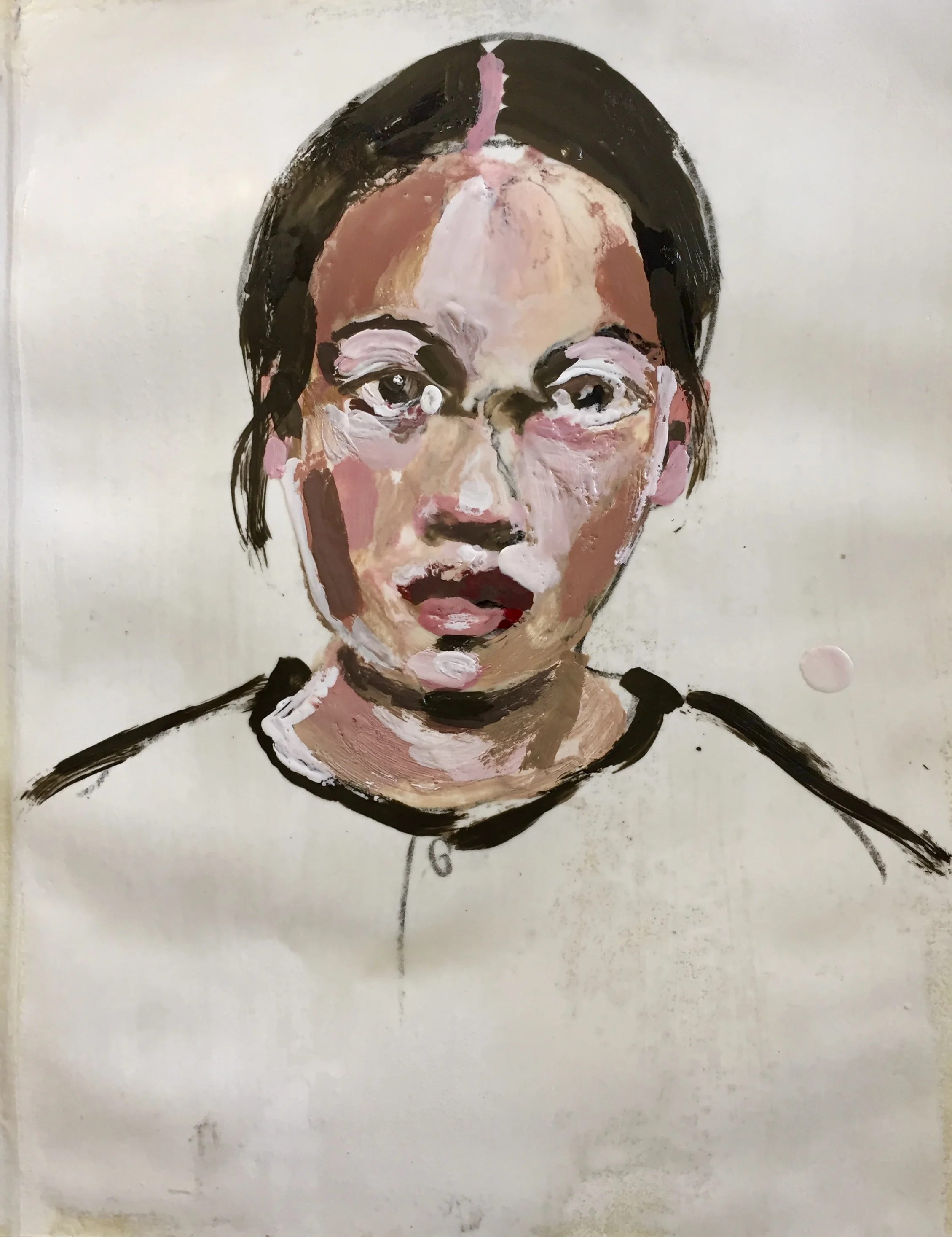
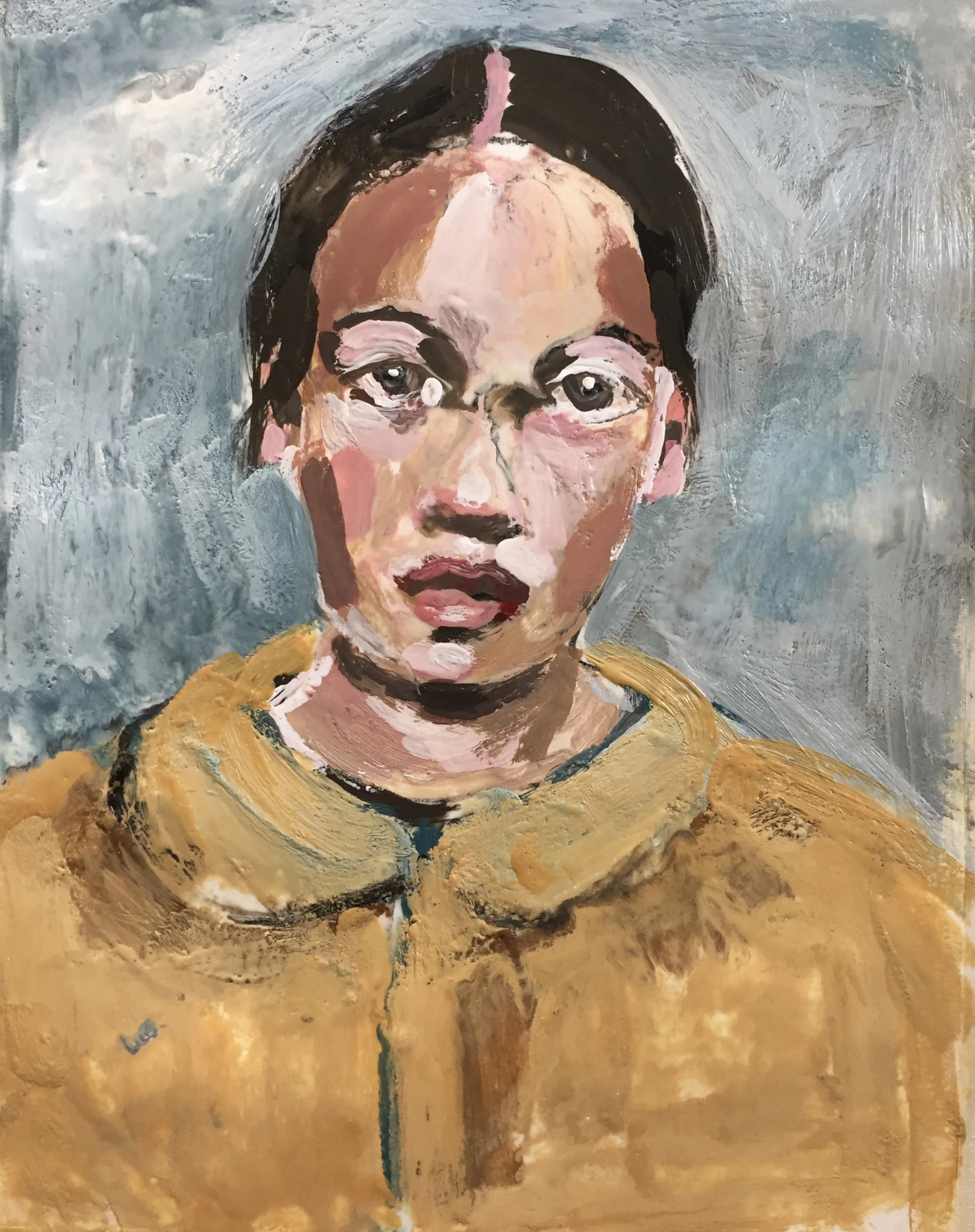
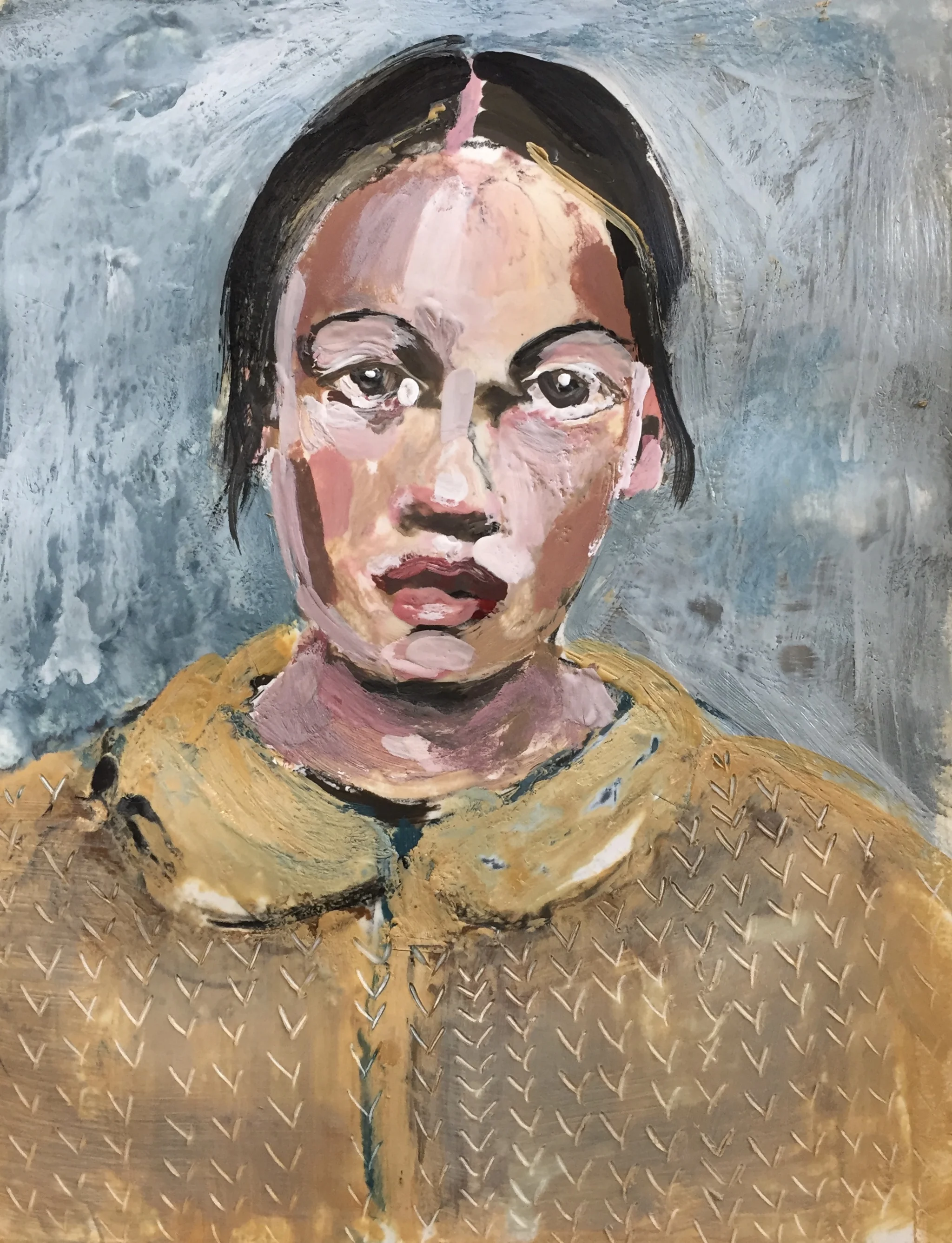

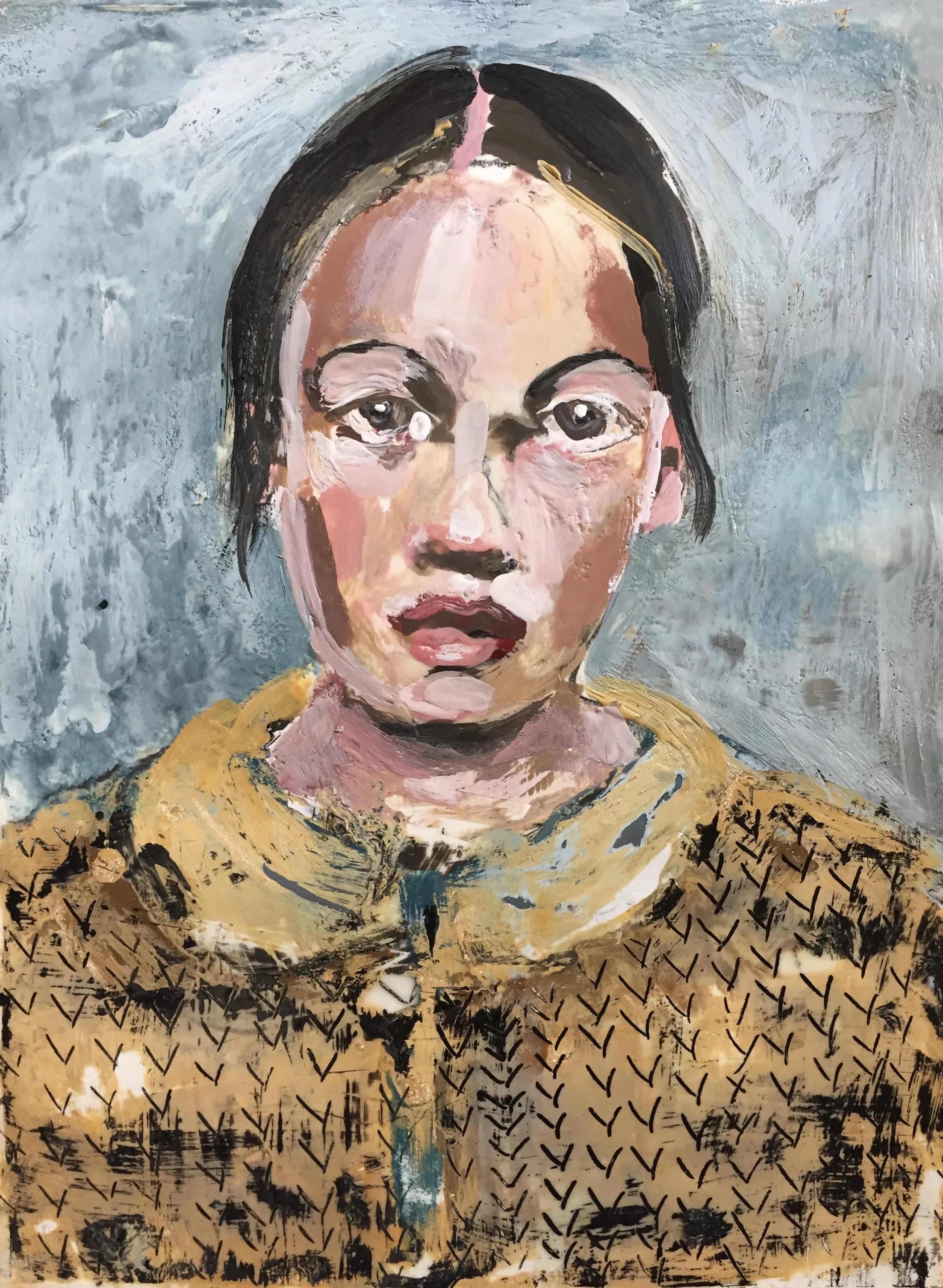
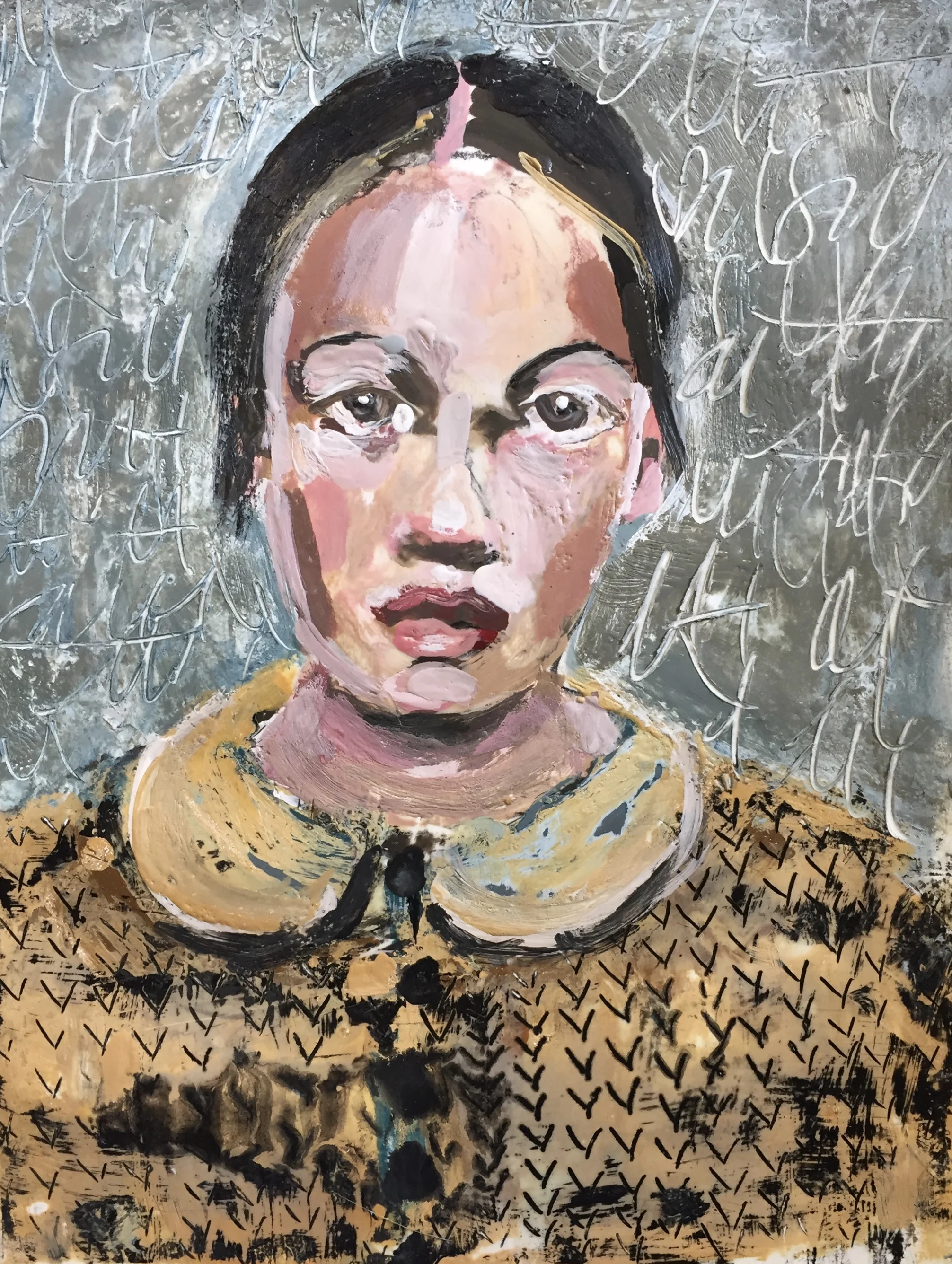
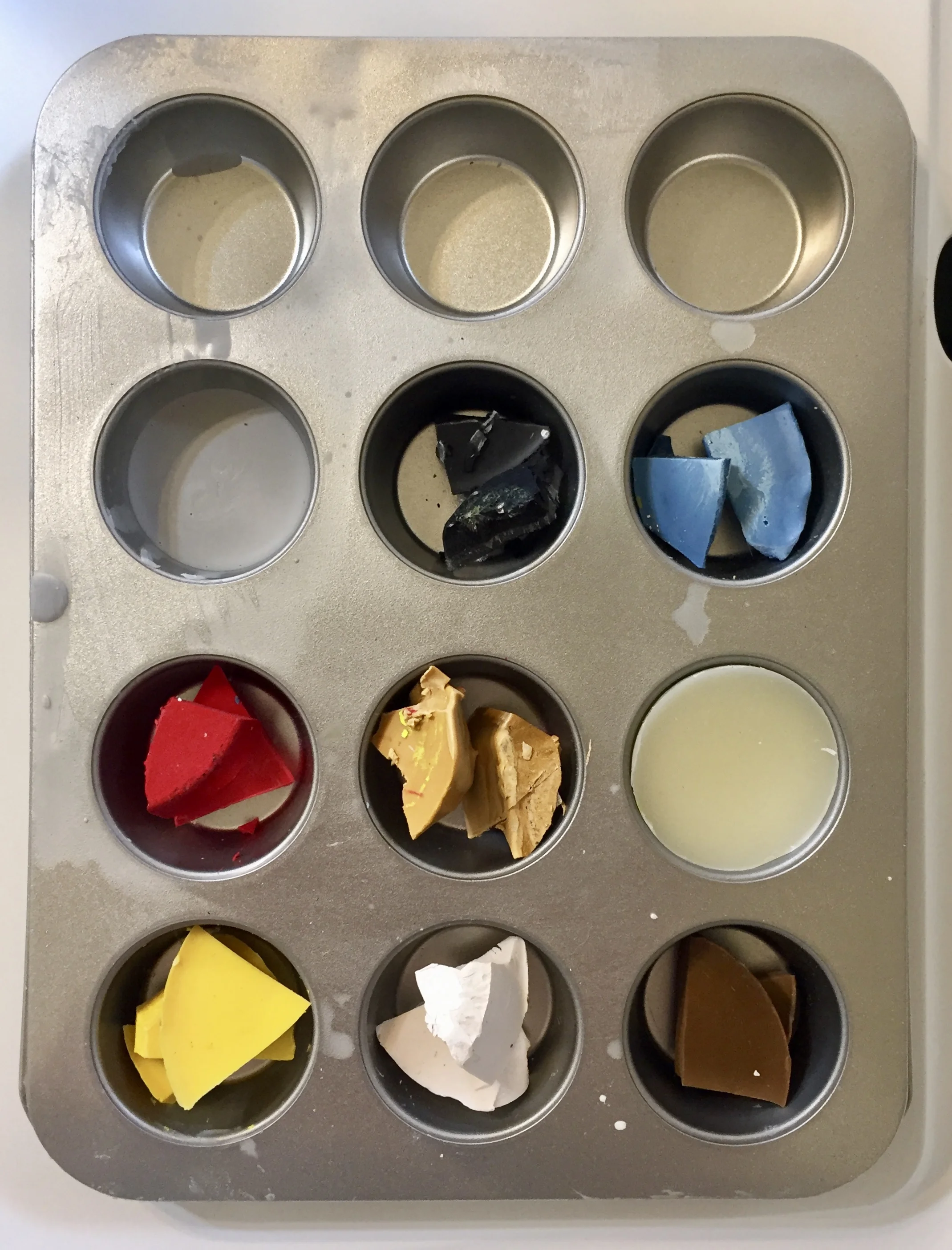
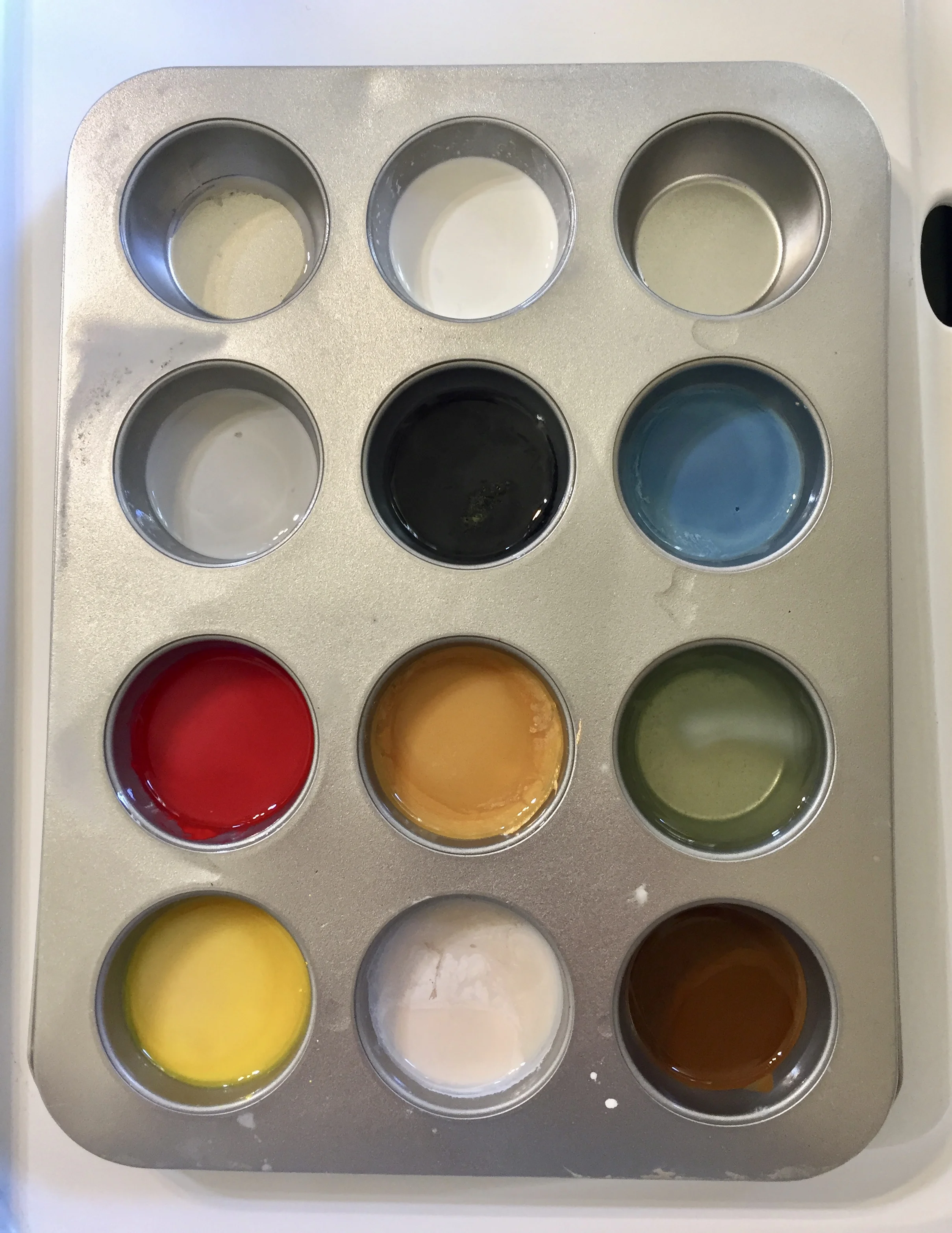
Click on each image above to see it larger in size.
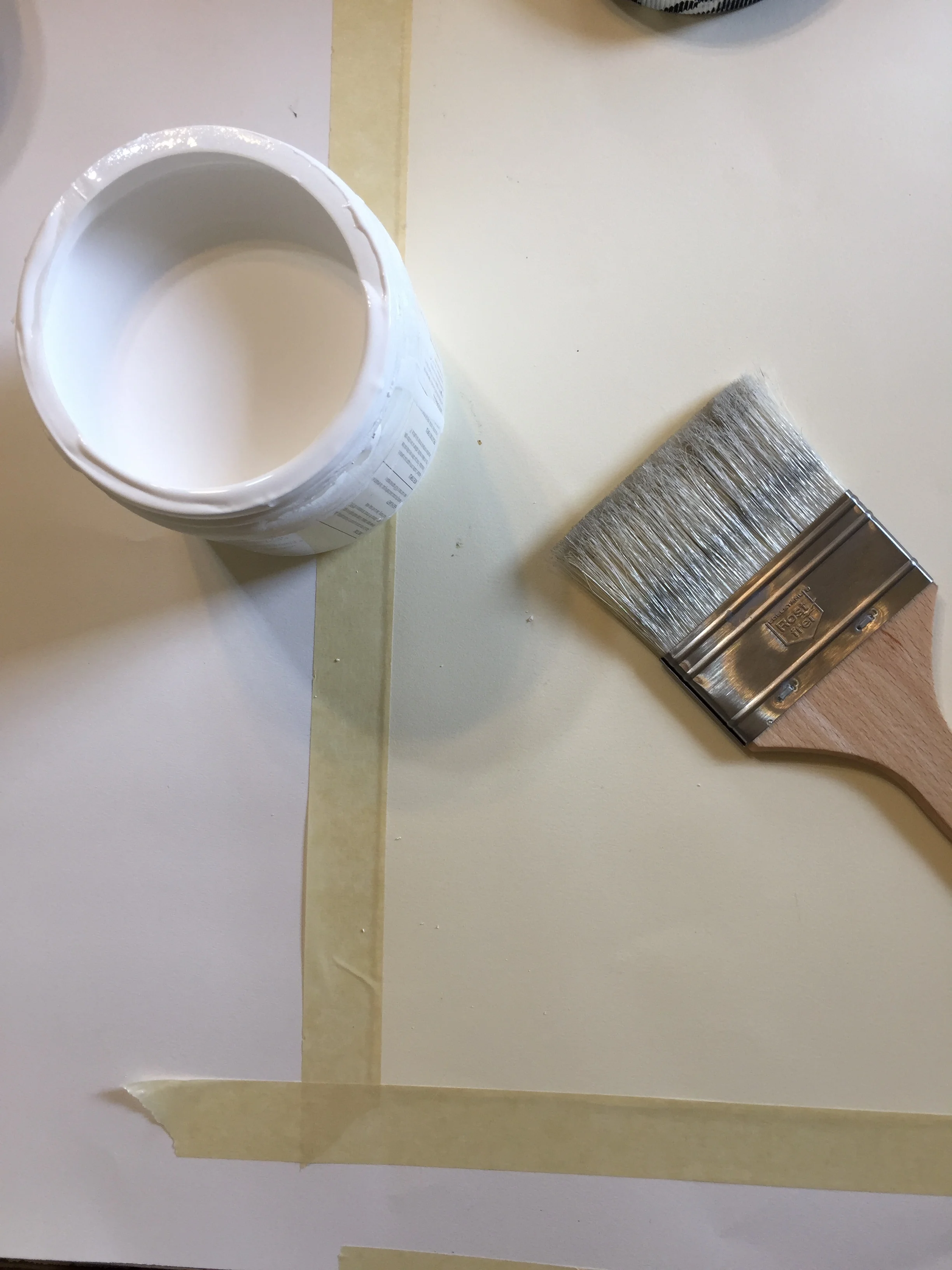
- Gesso your paper
- Apply a layer of wax to the dried gesso surface.
- Using a piece of tracing paper, trace over your reference image using a soft charcoal pencil.
- Turn the drawing face down onto the waxed paper. Rub the back of the drawing to transfer the image.
- Begin to apply wax, one stroke at a time, in the same way you would any other medium.
- Add any designs of your choice
- Allow it to dry, then buff it with a lint free cloth to make it shine.
Here are a few amazing encaustic portrait artists:
Password: 100works